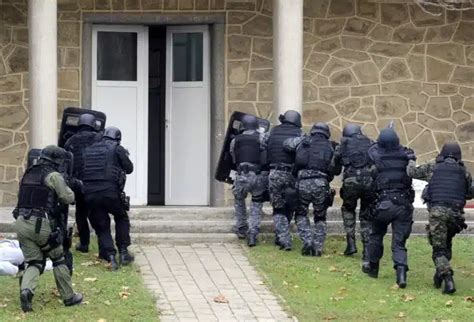
Swatting is a dangerous and illegal prank where someone makes a false emergency call to law enforcement, typically claiming a serious crime like a shooting or hostage situation is occurring at a specific address. The goal is to provoke a large-scale response, often involving a SWAT (Special Weapons and Tactics) team, to descend on the unsuspecting victim’s location. It’s a form of harassment that’s been around for years but has evolved with technology and cultural shifts, making it a notable trend in 2025.
How It Works
The process usually starts with a hoax call, often using spoofed phone numbers or voice-altering software to mask the perpetrator’s identity. The caller might claim there’s an active shooter, a bomb threat, or a murder in progress, providing a target’s real address—typically someone they know or have a grudge against. Law enforcement, trained to treat such calls as credible until proven otherwise, responds with overwhelming force. This can involve armed officers, helicopters, and even forced entry, putting the victim, their neighbors, and sometimes the responders at serious risk.
In recent years, swatting has been amplified by the internet. Perpetrators can use platforms like X to coordinate, brag, or even livestream reactions. Some dig into targets’ lives via social media for personal details to make the call more convincing—like mentioning a “basement” or “family member” tied to the address. Others exploit data breaches or doxxing (publicly releasing private info) to pinpoint victims.
The Current Trend in 2025
By March 19, 2025, swatting has surged in visibility and frequency, driven by a few key factors:
Streaming and Clout Culture: High-profile streamers, gamers, and influencers remain prime targets. Platforms like Twitch and YouTube have made it easy for trolls to watch the chaos unfold live, turning swatting into a twisted spectator sport. Some perpetrators chase notoriety within niche online communities, where pulling off a “successful” swat earns them bragging rights.
Political Weaponization: Swatting has increasingly been used as a tool for political intimidation. Public figures, activists, or even random people caught in viral X controversies have been swatted as retaliation. It’s a low-effort way to escalate online disputes into real-world fear, with some cases tied to polarized debates over issues like AI regulation, climate policy, or electoral disputes.
Tech Sophistication: Tools like AI-generated voices and encrypted communication apps have made swatting harder to trace. Callers can mimic a victim’s voice or fabricate audio of screams and gunshots, upping the realism. Meanwhile, lax enforcement of digital anonymity laws lets perpetrators hide behind VPNs and burner accounts.
Copycat Waves: High-profile incidents—like a swatting of a tech CEO or a politician—often spark imitators. X posts about these events spread fast, inspiring others to try it. In early 2025, a cluster of swattings targeting sci-fi convention attendees got attention after a hoax call claimed a “mass shooting” at a hotel hosting a major event.
Impact
The consequences are grim. Victims face trauma, property damage, and occasionally physical harm if police misinterpret their reactions. In rare cases, swattings have turned deadly—think back to the 2017 Kansas incident where a man was killed by police after a swatting call over a gaming dispute. Responders waste resources, with some departments reporting hundreds of hours lost annually to false alarms. Taxpayers foot the bill, and trust in emergency systems erodes.
Perpetrators, if caught, face felony charges like making false reports or cyberstalking, with penalties ranging from years in prison to hefty fines. But enforcement lags—many cases go unsolved due to jurisdictional messiness and the sheer volume of online anonymity.
Why It Persists
Swatting thrives on a mix of malice, boredom, and the internet’s reward system. It’s a power trip: the ability to sic armed police on someone from miles away, often with little immediate consequence. Subcultures on X and elsewhere sometimes glorify it as “ultimate trolling,” while the lack of swift, universal crackdowns emboldens repeat offenders.
What’s Being Done
By 2025, countermeasures are ramping up. Some police departments use AI to cross-check call patterns with known swatting signatures—like spoofed numbers or exaggerated claims. Legislators in several countries have pushed for harsher penalties, with the U.S. debating a federal “anti-swatting” law that’d streamline prosecution across state lines. Tech companies face pressure to curb doxxing and hoax-friendly tools, though progress is slow amid free-speech debates.
Still, it’s a cat-and-mouse game. As long as the internet offers anonymity and attention, swatting’s not fading anytime soon—it’s just mutating with the times.

 Swansenreport
Leave a comment