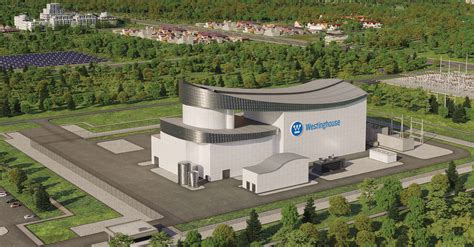
What are Small Modular Reactors?
• Definition: SMRs are nuclear fission reactors designed to be smaller in power output (typically 50–300 megawatts electric, compared to ~1,000+ MWe for conventional reactors) and built using modular construction techniques.
• Modular: The components are manufactured in a factory, shipped to a site, and assembled like Lego blocks. This allows for scalability (utilities can add more modules as demand grows).
• Technology: Most SMRs use light-water reactor technology (like traditional nuclear plants), but some designs experiment with advanced coolants (liquid metal, molten salt, high-temperature gas).
⸻
🔑 Key Advantages of SMRs
1. Scalability & Flexibility
• Instead of committing billions upfront to a single massive plant, utilities can add capacity incrementally.
• This is especially appealing for smaller grids, remote areas, and developing nations.
2. Cost Reduction Potential
• By using standardized factory-built modules, SMRs aim to lower costs through mass production (similar to how aircraft are built).
• Shorter on-site construction times reduce financial risk compared to decade-long megaprojects.
3. Safety Enhancements
• Many SMRs are designed with passive safety systems — they don’t require human intervention or external power to safely shut down.
• Smaller cores mean less fuel, less heat, and easier containment.
• Underground siting is often proposed for added protection against accidents or terrorism.
4. Integration with Renewables
• Because they’re smaller and more flexible, SMRs can complement wind and solar by providing stable baseload or backup power when renewables fluctuate.
• Some designs even produce high-temperature heat useful for hydrogen production, desalination, or industrial processes.
5. Applications Beyond Electricity
• Remote/off-grid communities (e.g., Arctic villages, mining operations).
• Military bases (for resilient, independent power).
• Desalination plants and district heating in urban settings.
⸻
⚠️ Challenges & Criticisms
1. Economic Reality
• While marketed as cheaper, SMRs are still expensive compared to natural gas and renewables today.
• First-of-a-kind designs face high costs; mass adoption is required to bring prices down.
2. Regulatory & Licensing Hurdles
• Each new design must be approved by nuclear regulators (e.g., U.S. NRC).
• This process is slow, expensive, and varies by country.
3. Waste Management
• SMRs produce less waste overall, but per unit of energy, some designs may actually generate more concentrated nuclear waste.
• Long-term storage solutions are still unresolved globally.
4. Public Perception
• Nuclear still faces stigma after Three Mile Island, Chernobyl, and Fukushima.
• “Small” reactors may ease concerns, but opponents argue that spreading many small reactors across regions increases proliferation and security risks.
⸻
🌍 Global Developments
• United States:
• NuScale Power (based in Oregon) received U.S. NRC design approval in 2020 for a 50 MWe module (planned Idaho project).
• X-energy is developing a high-temperature gas reactor for both power and industrial heat.
• Canada:
• Pursuing SMRs for remote northern communities and mining operations.
• Ontario Power Generation is moving forward with a GE Hitachi BWRX-300 design.
• Russia:
• Operates the world’s first floating SMR, the Akademik Lomonosov, supplying power to Arctic communities.
• China:
• Developing multiple designs, including the ACP100, and building demonstration projects.
• UK & Europe:
• Rolls-Royce is designing a factory-built SMR for the UK grid.
⸻
🔮 Future Outlook
• Near-Term (2025–2035): Demonstration plants and pilot projects will prove whether SMRs are commercially viable.
• Mid-Term (2035–2050): If successful, mass production could make SMRs a key piece of global decarbonization strategies.
• Competition: They will compete with rapidly advancing renewables + storage and potentially fusion energy (if it matures fast enough).
⸻
✅ In short: Small modular reactors aim to make nuclear energy safer, more flexible, and more affordable by shrinking and standardizing reactor design. They hold promise for clean, resilient power — particularly in places where large nuclear plants or renewables alone aren’t practical. But their success depends heavily on cost reduction, regulatory acceptance, and public trust.



 Swansenreport
Leave a comment