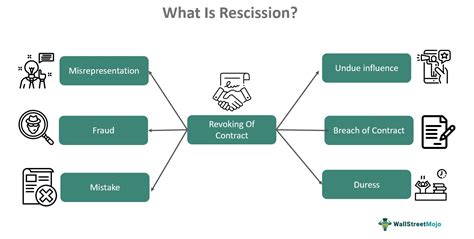
Background: Rescissions in General
• A rescission is when the President (or executive branch) formally proposes to Congress that certain appropriated funds not be spent.
• This power comes from the Impoundment Control Act of 1974 (ICA), which was passed after President Nixon tried to withhold (“impound”) funds appropriated by Congress.
• Under the ICA:
• The President may send a rescission proposal to Congress.
• Congress then has 45 legislative days to approve it by passing a rescission bill.
• If Congress does nothing, the funds must be released and spent as originally appropriated.
So — rescissions are a way to trim back spending, but only if Congress agrees.
⸻
👔 What is a “Pocket Rescission”?
• A pocket rescission happens when the President submits a rescission proposal to Congress and then simply refuses to release the funds while waiting for Congress to act.
• Since Congress has 45 legislative days to respond, the executive can “pocket” the money in the meantime.
• If Congress never acts, the ICA says the funds must eventually be released. But practically, by withholding during that review window (or close to the end of the fiscal year), the President can effectively kill spending without Congress ever approving the rescission.
👉 In other words:
It’s the budgetary cousin of the presidential pocket veto. Both rely on inaction — Congress failing to act leads to an executive outcome.
⸻
⚖️ Controversy and Legal Questions
1. Constitutional Balance of Power
• Congress holds the power of the purse.
• Critics argue pocket rescissions are an end-run around Congress, amounting to an unconstitutional “line-item veto” (which the Supreme Court struck down in Clinton v. City of New York (1998)).
• Supporters argue the President is simply using authority under the ICA to temporarily withhold funds.
2. End-of-Year Tactic
• Presidents could time rescission requests near the end of a fiscal year, knowing that even if Congress ignores them, the withheld funds may expire before they are ever spent.
• This creates a de facto cancellation of appropriations — without congressional approval.
3. GAO & OMB Stance
• The Government Accountability Office (GAO) has warned that “pocket rescissions” violate the ICA’s intent, since it requires funds to be released if Congress doesn’t act.
• The Office of Management and Budget (OMB) under some administrations has argued the executive branch has flexibility to withhold while Congress reviews.
⸻
📌 Historical Examples
• Ronald Reagan: Aggressively used rescission proposals, though Congress rejected most of them. His administration tested the boundaries of impoundment law.
• Donald Trump (2018): Proposed rescissions targeting foreign aid and domestic programs. Some watchdogs accused his administration of attempting “pocket rescissions” by withholding until funds expired.
• Joe Biden (2021): Early in his term, watchdog groups closely monitored OMB to ensure it wasn’t using pocket rescissions to avoid congressionally mandated spending.
⸻
🔮 Why It Matters Today
• Budget Gridlock: With hyper-partisanship in Congress, presidents may be tempted to use every tool available to shape spending without new laws.
• Foreign Aid & Defense: Pocket rescissions often appear around controversial appropriations like Ukraine aid, border funds, or climate initiatives.
• Legal Gray Area: The courts haven’t clearly ruled on the practice, leaving a tug-of-war between the Executive and Legislative branches.
⸻
✅ In short:
A pocket rescission is when the President uses the rescission process under the 1974 Impoundment Control Act to withhold congressionally appropriated funds without congressional approval, hoping they expire or become irrelevant. It’s controversial because it looks like a backdoor line-item veto, upsetting the constitutional balance of budgetary power.


 Swansenreport
Leave a comment