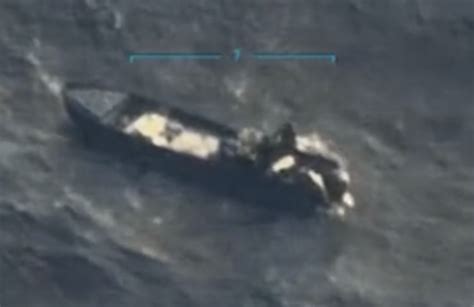
Prosecution
Very Different Meanings of “Prosecution”
1️⃣ Legal / Criminal meaning
In everyday use — and in civilian courts — prosecution means:
Bringing formal criminal charges against a person in a court of law.
This involves judges, attorneys, indictments, evidence, sentencing, etc.
But…
Two
⸻
2️⃣ Military meaning — “Prosecution of the Target”
In military doctrine, prosecution refers to:
Continuing or carrying out a military action against a designated target until mission completion (neutralization, capture, monitoring, surveillance, etc.).
This definition appears in:
•U.S. Joint Publication 3-09 (“Joint Fire Support”)
•Joint Publication 3-60 (“Targeting”)
•U.S. Navy, Air Force, and Army fire-control manuals
•ROE packets at tactical and operational levels
It has nothing to do with courts or criminal charges.
In this context, “prosecution” includes:
•Tracking a target
•Maintaining contact
•Evaluating threat behavior
•Engaging if authorized
•Following through until the threat is neutralized or the mission is complete
It may involve weapons employment, maneuver, or persistent surveillance.
⸻
🔍 Examples of “Prosecution” in a Military Sentence
“Continue prosecution of the target until further ROE guidance is issued.”
→ Means: Keep tracking or engaging the enemy unit.
“Air assets are cleared for target prosecution.”
→ Means: Pilots may continue attack run or target engagement.
“The destroyer will assume maritime interdiction and prosecution of escaping vessels.”
→ Means: Continue pursuit or engagement.
⸻
🔥 Why Does the Military Use the Word “Prosecution”?
Because the military borrowed the term from older naval doctrine, where “prosecute” meant:
To pursue an enemy or object with the intent to capture, destroy, or maintain contact.
It shows up heavily in:
•Anti-submarine warfare (“prosecute the submarine contact”)
•Air interdiction (“prosecute the strike”)
•Special operations (“prosecute HVT movements”)
In these contexts, prosecution is more about pursuit, persistence, and completion of the mission.
⸻
⚖️ How This Causes Confusion in Legal Documents
A good example is the Maritime Drug Law Enforcement Act (MDLEA) or U.S. Coast Guard doctrine.
In military/Coast Guard operations, “prosecution” might mean:
•Pursuing a vessel
•Interdicting
•Boarding
•Continuing engagement until resolution
But in statutory/criminal context, prosecution means:
•Bringing criminal charges
•Trying the case in court
When both communities interact (DoD + DOJ), the same word can mean two different things, which occasionally causes conceptual confusion.
⸻
🔧 How Military Doctrine Defines It (Short Form)
Different manuals define prosecution along the same lines:
Joint Publication 3-60 (Targeting)
“Prosecution” = engaging a target with fires or maneuver until the target is neutralized, destroyed, or otherwise rendered ineffective.
Navy Anti-Submarine Warfare Doctrine
“Prosecution” = continuous tracking, classification, engagement, and neutralization of a submarine contact.
Air Force Doctrine
“Prosecution” = following through with authorized strikes or surveillance until the commander terminates the mission.
⸻
🧭 Key Point: Intent Determines Interpretation
If the context is:
•Operational orders
•Rules of engagement (ROE)
•War-fighting doctrine
•Combat operations
➡ “Prosecution” always means military engagement or pursuit, not legal proceedings.
If the context is:
•Statutes
•Courts
•Law enforcement
•Judicial review
➡ “Prosecution” means legal action.
⸻
📌 So in a military sense, prosecution means:
“Pursuing, engaging, or taking continued action against an enemy or target until the mission is completed.”
Not courts. Not lawyers. Not indictments.
It is a combat term, not a legal one.




 Swansenreport
Leave a comment