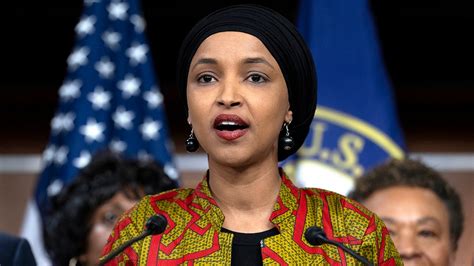
The Star Tribune noted that Emmer’s district was the state’s most conservative, succeeding Michele Bachmann (known for founding the Tea Party Caucus), while Ellison’s was among the most liberal, making their collaboration particularly noteworthy as an example of cross-aisle cooperation.Goals of the CaucusThe caucus aimed to:
- Advocate for peace and stability in Somalia.
- Support U.S. assistance to help the Somali government build democratic institutions, good governance, and economic prosperity.
- Counter terrorism by aiding efforts to defeat al-Shabaab and prevent recruitment from the U.S.
- Promote security improvements and human rights in the region.
Congressional caucuses are voluntary groups that educate members, discuss issues, and sometimes spur legislation, though they lack formal power. This one was seen as focused on ensuring “sufficient and meaningful” U.S. aid to Somalia to prioritize stability over extremism.Reception and ContextThe announcement received positive coverage for its bipartisanship, especially given the polarized political climate. However, a subsequent Star Tribune opinion piece in July 2015 critiqued it as largely symbolic, arguing it reinforced ties to Somali politics without addressing integration challenges or pressing local needs for Somali-Minnesotans, like education and economic opportunities.At the time, Emmer was a freshman congressman building outreach to Somali constituents in his district, contrasting with some anti-immigrant sentiments there (e.g., calls for refugee moratoriums, which he rejected as un-American in town halls).Later reflections (including in 2025 Star Tribune articles) described the caucus as a “great expression of bipartisan cooperation,” especially amid evolving political dynamics involving the Somali community.Overall, the 2015 creation reflected how Minnesota’s unique demographic ties to Somalia turned a distant conflict into a local priority, prompting rare unity between ideological opposites in Congress.



 Swansenreport
Leave a comment