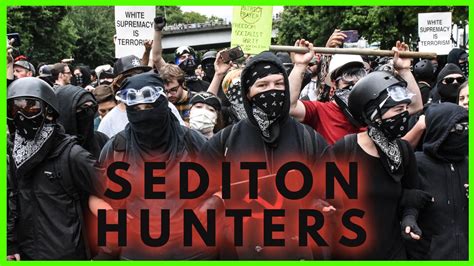
Biden’s FBI paid anti-Trump ‘Sedition Hunters’ as informants in J6, Arctic Frost probes, memos show
) that amassed over 66,000 followers and generated hundreds of thousands of tweets. The name “Sedition Hunters” was adopted as a nod to the serious charges (like seditious conspiracy) faced by some rioters, though the group avoids legal judgments and focuses on factual identification. Their activities continued through 2024, aiding in hundreds of arrests and convictions. However, on January 20, 2025—the first day of Donald Trump’s second presidency—a blanket pardon was issued for all defendants connected to the January 6 attack, effectively halting many ongoing prosecutions and rendering much of the group’s work moot in terms of legal outcomes. Despite this, the Sedition Hunters’ databases and analyses remain publicly available as historical records, including lists of post-January 6 arrests, convictions, and individuals with prior criminal histories. Methods and ToolsSedition Hunters rely on OSINT techniques, sifting through terabytes of publicly posted footage from body cameras, live streams, and social media. They cross-reference details like clothing, tattoos, voices, and timestamps to build profiles of suspects. Creative nicknames (e.g., #PippiLongScarf or #TricornTraitor) are assigned based on distinctive features to track unidentified individuals without prematurely naming them, helping to crowdsource more evidence. Once confident, they submit anonymous tips to the FBI via official channels.Key tools developed by the community include:
- Interactive maps: GPS-tagged videos from sources like Parler archives, allowing users to visualize the timeline and locations of events.
- Facial recognition databases: Public tools to match faces across vast amounts of footage, aiding in rapid identifications.
- Composite imaging: Multi-angle photos created from crowdsourced data to clarify suspect appearances.
- Social media mining: Scanning platforms like Facebook, dating apps (e.g., Bumble), and even furry forums for self-incriminating posts or matches.
These methods emphasize collaboration and ethics, such as verifying information multiple times to avoid errors. ImpactThe Sedition Hunters have been instrumental in the FBI’s investigation, which involved over 1,200 charges and 900 convictions by early 2024. They are credited with sparking or aiding hundreds of arrests, often providing “soup to nuts” cases that law enforcement could build upon. The FBI, overwhelmed by an estimated 2,000 suspects and hundreds of thousands of tips, has publicly acknowledged relying on such citizen efforts due to resource constraints. High-profile cases, including those involving Proud Boys and Oath Keepers leaders, benefited from their contributions. Academic studies, such as one from Virginia Tech, highlight their success in using social media for crowdsourced investigations. Their work has also inspired broader discussions on citizen involvement in justice, as detailed in Ryan J. Reilly’s 2023 book, Sedition Hunters: How January 6th Broke the Justice System, which argues the scale of the event exposed systemic limitations in federal investigations. Controversies and CriticismsWhile praised for their effectiveness and caution—unlike past online sleuthing debacles like the Boston Marathon bombing misidentifications—the Sedition Hunters have faced scrutiny over the ethics of “vigilante justice.” Critics argue that even with open-source restrictions, their activities raise privacy concerns, as analyzing public data can inadvertently affect innocents or blur lines between citizen aid and unauthorized investigation. Some, particularly from conservative circles, view them as “deranged vigilantes” enforcing “official truths” or interfering in politically charged cases, especially given the partisan divide over January 6. Instances of FBI errors, like initially misidentifying a Biden campaign worker as a rioter, underscore risks of relying on crowdsourced tips, though the group itself has not been directly blamed for such mistakes. The 2025 blanket pardon amplified debates, with some seeing it as validation of claims that the investigations were politically motivated overreach. Defenders counter that the hunters’ work was evidence-based and bipartisan, focused on crimes rather than politics, and that it filled gaps in an under-resourced justice system. In summary, the Sedition Hunters represent a modern evolution of citizen journalism and OSINT, demonstrating how technology and collaboration can augment official efforts in large-scale investigations. Their legacy, however, is complicated by the political polarization surrounding January 6 and the eventual pardons, highlighting ongoing tensions between public participation, privacy, and justice.

 Swansenreport
Leave a comment