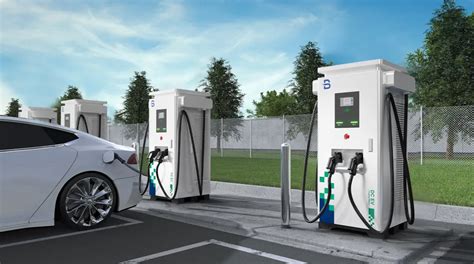
$7.5 Billion. 59 Charging Stations. Elon Musk Built 50,000 for $1.1 Billion.
The numbers are in, and they are genuinely embarrassing for the Biden administration’s legacy on electric vehicle infrastructure.
In 2021, President Biden signed the bipartisan Infrastructure Investment and Jobs Act, which allocated $7.5 billion specifically to build a national network of EV charging stations — with a stated goal of 500,000 publicly accessible chargers by 2030. Four years later, the federal program had produced 59 completed stations nationwide, according to figures cited by Wisconsin’s own Rep. Tony Wied when he introduced legislation to terminate the program in early 2025.
The Washington Post was among the first mainstream outlets to document the failure in March 2024, reporting that more than two years after Congress allocated the $7.5 billion, only seven EV charging stations were operational across four states — New York, Ohio, Hawaii, and Pennsylvania. Those stations had a combined capacity to serve just 38 electric vehicles simultaneously. Newsweek
The reasons for the slow rollout were real: the federal program required states to submit plans, receive federal approval, conduct site selection, negotiate with utility companies, obtain permits, and then build — a process the Biden administration badly underestimated. None of that excuses the result.
For comparison, Tesla’s private Supercharger network — built without a $7.5 billion federal mandate — now includes more than 50,000 charging ports worldwide, built at a total cost of approximately $1.1 billion. The private sector, in other words, built more than 800 times as many chargers per dollar as the federal program. Wislawjournal
Wisconsin Rep. Tony Wied (R-Green Bay) introduced the Unplug the Electric Vehicle Charging Stations Programs Act to terminate the remaining unspent funds from the program, calling it a “billion-dollar boondoggle” and noting that the program had produced just 59 stations in over three years. “Washington shouldn’t be picking winners and losers in the marketplace,” Wied said. Fox News
The Trump administration has since redirected the remaining unspent funds. The 59 stations that were built will continue to operate.
The story is a useful case study in the difference between federal investment and federal competence. The money was real. The goal was legitimate — range anxiety is a genuine barrier to EV adoption. The execution was a failure. And the private sector, without the mandate, without the federal program, and without most of the money, did the job anyway.
Sources: Washington Post | PolitiFact / WRAL | Rep. Tony Wied Press Release | Reason Magazine






Leave a Reply