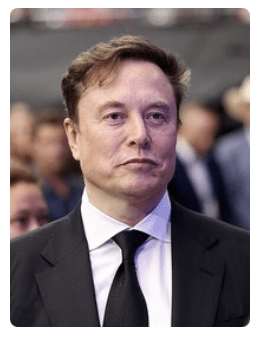
Musk Loses OpenAI Trial in Under Two Hours — Jury Never Ruled on Whether He Was Right
A nine-person jury in Oakland deliberated less than two hours Monday before unanimously dismissing Elon Musk’s lawsuit against Sam Altman, Greg Brockman, OpenAI, and Microsoft — not because they found Musk’s claims false, but because they found he waited too long to make them.
The verdict came as a surprise in its timing — delivered in the middle of a remedies hearing that was already underway, with the courtroom deputy handing Judge Yvonne Gonzalez Rogers a note at 10:23 AM Pacific time. The jury had begun deliberations at 8:30 AM. Judge Gonzalez Rogers immediately adopted the advisory jury’s verdict and dismissed the case. Turnto10
The jury found that Musk’s claims of “breach of charitable trust” fell outside the three-year statute of limitations — meaning any legal harm Musk suffered occurred before 2021, when the clock had already run out. The court never addressed whether Altman and Brockman had in fact violated their commitment to OpenAI’s founding charitable mission. The merits of that question remain entirely unresolved. 13WHAM
Musk had contributed roughly $38 million to OpenAI on the understanding it would develop artificial intelligence “for the benefit of humanity,” not to enrich any individual. If the jury had sided with him, OpenAI and Microsoft could have been forced to return up to $150 billion in wrongful gains to OpenAI’s nonprofit foundation — a result that would have upended the entire structure of the AI industry going into what is expected to be an OpenAI IPO. CNN
Musk was characteristically unbowed in defeat. He posted immediately after the ruling that the decision was a “calendar technicality” and that “there is no question to anyone following the case in detail that Altman and Brockman did in fact enrich themselves by stealing a charity. The only question is WHEN they did it!” He and his attorneys announced they will appeal to the Ninth Circuit.
OpenAI’s lead attorney, Bill Savitt, was less measured in his assessment of the case: “It did not take them two hours to conclude that Mr. Musk’s lawsuit is nothing more than an after-the-fact contrivance that bears no relationship to reality. This lawsuit is a hypocritical attempt to sabotage a competitor.” OpenAI also presented evidence during the trial that Musk himself had proposed a for-profit structure for the company — contingent on his personal control — and had at one point pushed to fold OpenAI into Tesla. CNN
Judge Gonzalez Rogers, who appeared skeptical of Musk’s damages theory throughout the trial, noted after issuing her decision: “There was a substantial amount of evidence to support the jury’s finding, which is why I was prepared to dismiss on the spot.” 13WHAM
The result clears a significant legal cloud from OpenAI’s path to going public. The Ninth Circuit appeal will take years. For now, Sam Altman walks out of the Oakland courthouse as the winner — on a technicality that left the biggest question in Silicon Valley officially unanswered.
Sources: NPR | CNBC | TechCrunch | Axios


Leave a comment