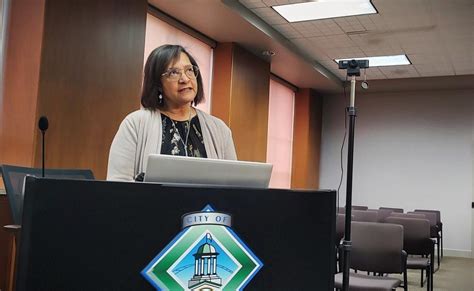
Green Bay City Clerk Celestine Jeffreys has now sent duplicate absentee ballots to voters twice in one election year. Twice.
The first time was April, ahead of the spring Supreme Court election — 152 voters got two ballots each instead of one, the result of city staff inadvertently printing two copies of the same mailing labels. The Republican Party of Wisconsin filed a complaint. The city called it an administrative error, said no one voted twice, and asked the Wisconsin Elections Commission to dismiss the case.
Then it happened again. By June 25, Green Bay had mailed 5,084 absentee ballots ahead of the August primary. Two days later, staff discovered voters in eight wards — 11a, 12a, 37a, 44, 45, 46, 47, and part of 43 — may have received duplicates. Jeffreys called this one a printing error too, and said she regrets it.
A draft WEC memo on the first incident doesn’t equivocate: it finds “no doubt” that Jeffreys broke state law — specifically Wis. Stat. § 6.86(1)(ar), which governs how clerks issue absentee ballots. But there’s a catch worth sitting with. The commission also notes state law has no actual penalty for mailing duplicates, and stresses this is about ballot issuance, not fraud. No double voting occurred. The system that’s supposed to catch a duplicate before it’s counted — tracking, review, chain of custody — reportedly worked as intended even when the printing process didn’t.
That distinction matters, and it’s the one likely to get lost in the noise. State GOP officials are already framing this as a pattern of incompetence bordering on something worse. Rep. Tom Tiffany, running for governor, called for a “full audit and accountability” after the second incident. Brown County GOP chair Doug Reich says he warned this would happen again if WEC didn’t act the first time — and WEC didn’t. Green Bay City Council member Melinda Eck has filed her own resolution for an independent audit, a rare bit of common ground between a council member and the clerk’s partisan critics, even if they’re arguing from different premises.
Jeffreys, for her part, has been in the job since 2021 and has weathered a mix of founded and unfounded complaints in that time. She and the city’s communications director have declined to answer the Green Bay Press-Gazette’s questions about why this happened twice.
The Wisconsin Elections Commission takes up the April complaint at its July 9 meeting. That’s the one to watch — it’ll be the first real test of whether “no penalty in the statute” also means “no consequence at all.”




Leave a comment