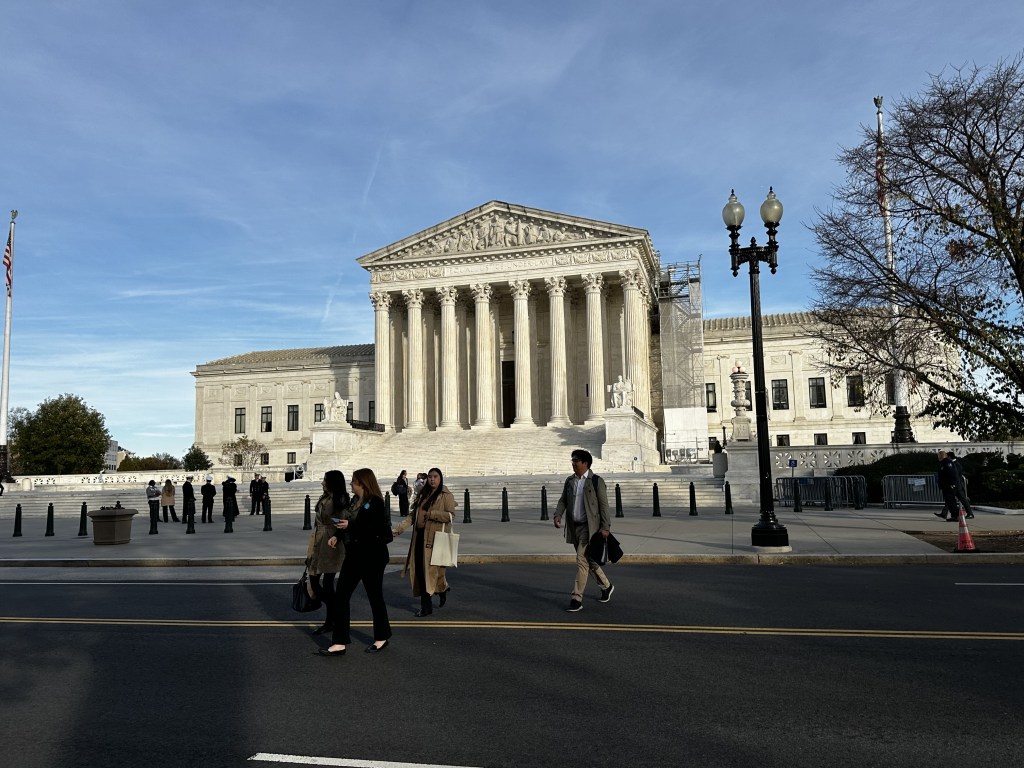
The Supreme Court ruled Tuesday that the Constitution guarantees automatic citizenship to children born on U.S. soil. The 6-3 decision, written by Chief Justice John Roberts, rejects President Trump’s first-day executive order seeking to deny citizenship to babies born to parents here illegally or on temporary status. It leaves intact a reading of the 14th Amendment that’s held since the Supreme Court’s 1898 ruling in United States v. Wong Kim Ark.
Wisconsin had skin in this fight long before Tuesday. Attorneys for the city of Madison and Dane County signed onto a friend-of-the-court brief arguing that stripping birthright citizenship would harm thousands of children and unravel communities. Those children grow up to start businesses, the brief noted. They teach in classrooms. They serve as frontline workers, medical providers, law enforcement. Wisconsin’s Democratic attorney general, Josh Kaul, joined a separate brief from Democratic AGs nationwide objecting to the order, and Wisconsin was among the states that sued to block it outright. So when the justices ruled Tuesday, they weren’t just settling an abstract national question. They were ruling on a case Wisconsin’s own legal officers helped shape.
The administration’s argument leaned on a “domicile” theory — that the 14th Amendment’s citizenship guarantee was always meant to apply only to children of parents lawfully and permanently settled in the country, not to tourists or those here unlawfully. The Court rejected that reading. Roberts wrote that the amendment’s framers extended citizenship broadly and deliberately, not as a conditional benefit tied to parental status. Thomas, Gorsuch, and Alito dissented.
None of this is new ground, really. The ruling reaffirms what’s been federal practice for over a century, including for so-called “birth tourism” — children born to parents who travel to the U.S. for the birth and leave shortly after. That’s the same rule that’s applied since Wong Kim Ark, and the Court declined to disturb it. Trump responded on Truth Social that the ruling was “too bad for our Country” but said he’d pursue the issue through Congress. One problem: changing the rule would actually require a constitutional amendment, not ordinary legislation, since the Court just affirmed the constitutional baseline rather than interpreting a statute.
We’ll have reaction from Wisconsin’s congressional delegation — including Sen. Tammy Baldwin and Rep. Tom Tiffany — once their offices weigh in, and will update this post accordingly.
This is one piece of a broader fight over presidential power that’s defined this Supreme Court term, and it’s still moving fast. Worth watching whether Senate Republicans, several of whom said Tuesday they’d now turn to a constitutional amendment process instead, can build any real momentum. That’s a much higher bar than an executive order. Most legal observers don’t expect it to clear.





Leave a Reply