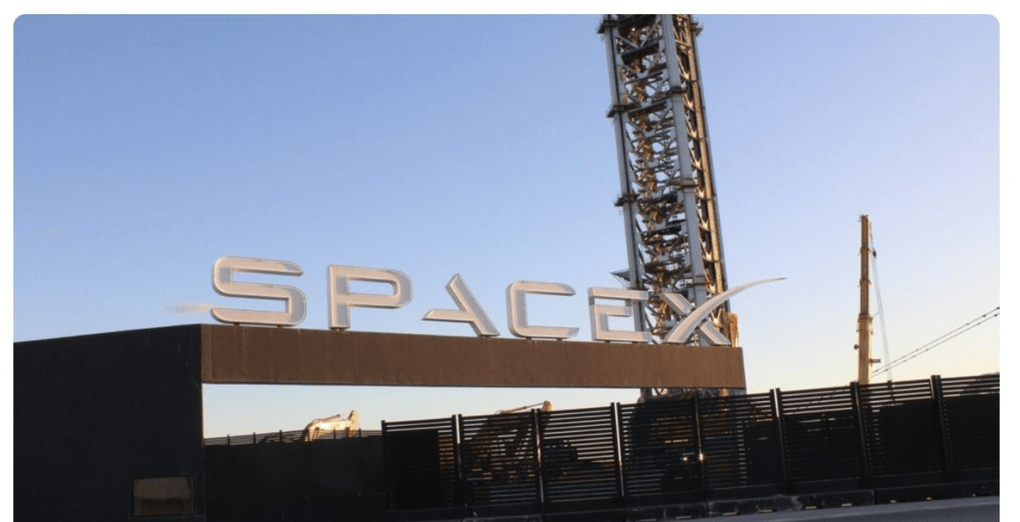
SpaceX told investors this week it is considering launching a retail mobile service under the Starlink brand — one that would put the company in direct competition with AT&T, Verizon, and T-Mobile.
The Financial Times, citing four people familiar with the matter, reported that SpaceX President and Chief Operating Officer Gwynne Shotwell made the disclosure during the company’s IPO roadshow. SpaceX could build its own terrestrial U.S. mobile network, Shotwell said, and sell plans directly to consumers rather than routing customers through existing carrier partnerships.
That would be a significant departure from how Starlink currently operates. Its direct-to-cell technology has functioned as a supplemental service — filling coverage gaps in rural and remote areas where traditional towers fall short, including much of northern Wisconsin. Customers still pay a wireless carrier for their primary plan. Starlink just fills in the dead zones.
A standalone retail offering would eliminate that arrangement. SpaceX would be competing directly for a piece of the U.S. mobile subscriber market, which totals more than 400 million active lines. Verizon alone reports 146.8 million wireless customers. AT&T has 109.3 million. T-Mobile, 143 million.
The groundwork has been building. Last month the Federal Communications Commission approved SpaceX’s $17 billion acquisition of wireless spectrum licenses from EchoStar. Analysts say that spectrum would be necessary to support a terrestrial network. What a company does with $17 billion in spectrum tends to signal its intentions.
Obstacles are real, though. SpaceX holds 65 MHz of spectrum. The three major carriers collectively hold roughly 1,020 MHz. Building physical infrastructure to compete with entrenched national networks is expensive and slow, and satellite coverage — however capable — is not a substitute for a dense urban cell grid.
Some analysts believe the retail push may be as much a negotiating move as an actual product plan, giving SpaceX leverage in talks with carriers rather than a genuine near-term launch. There is no announced price, no release date, and no SpaceX press release confirming any of it. The sourcing is the FT and four unnamed people in a room during an IPO roadshow.
Still. For communities in places like Bayfield County, where broadband options are limited and cell coverage is uneven, the direction Starlink is pointing matters. If this happens, your monthly phone bill could eventually run through the same company that put the dish on your roof.
Sources: Financial Times, June 26, 2026; The Next Web; Android Authority; Motley Fool/Yahoo Finance



Leave a comment